
How to Plan Ring Size Inventory for Your Jewelry Store
Build a style-by-size buying matrix, use a clearly labelled trial order and turn customer requests into evidence for your next ring replenishment.

Start with the size system shown on the product page, separate every style-and-size combination, and use your own customer requests to decide where to add depth. A ring-size inventory plan should explain what you are testing, not assume that one size mix works in every market.
1. Map the variants before choosing quantities
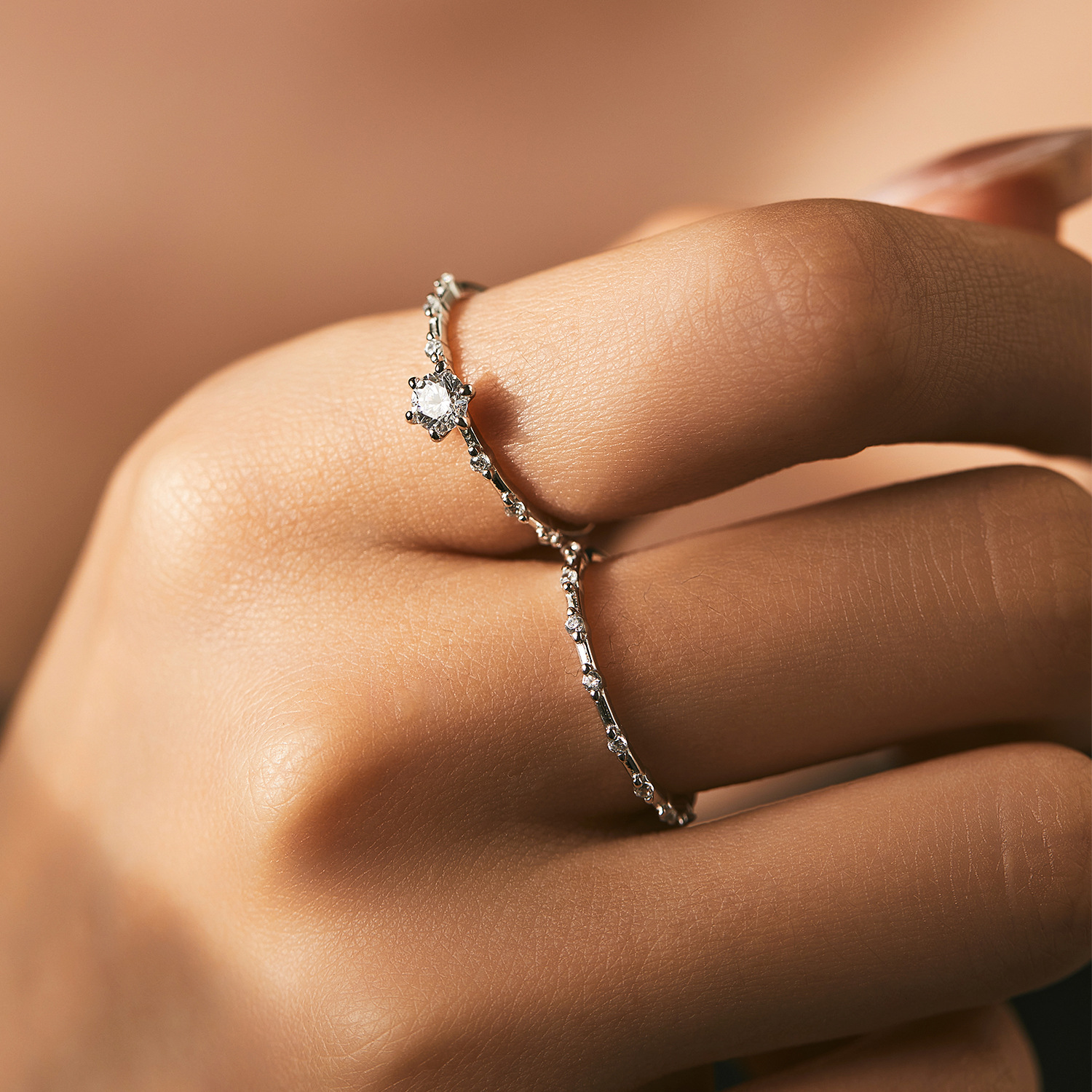
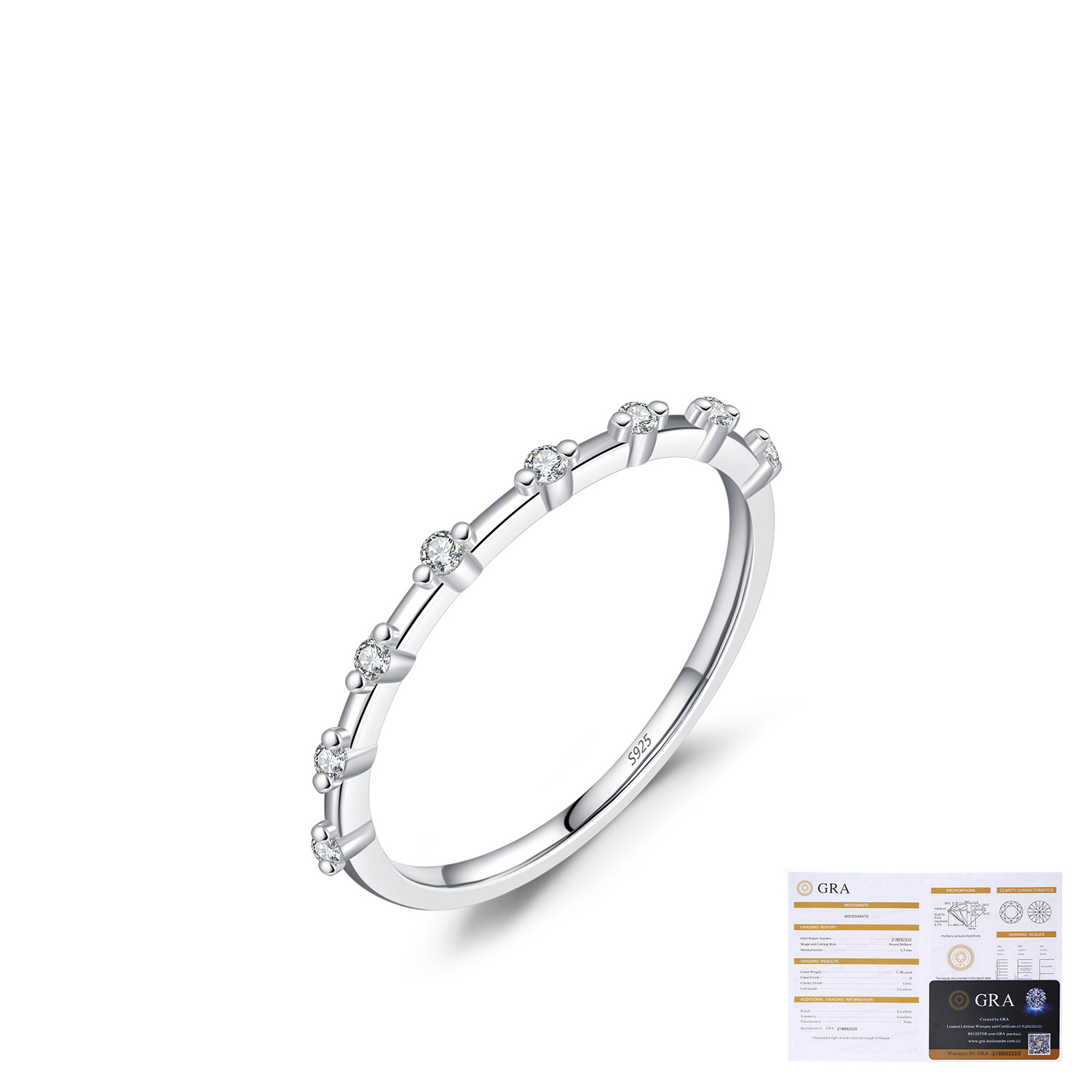
Our worked example is LEKANI’s S925 stacking ring, offered in Solitaire and Stone Band styles with US sizes 5, 6, 7, 8 and 9. That creates ten distinct combinations. The two styles pictured together are sold separately: one selected ring is supplied for each unit ordered.
Keep the supplier’s selected option and SKU together on each purchase line. “Three rings in size 7” is incomplete if those units refer to different styles. The same size number does not turn different designs into one stock item.
View the ring and its current options
2. Use a trial matrix, then replace assumptions with evidence
The matrix below is a planning illustration for a retailer testing both styles. It is not a sales forecast, a recommended size distribution or a minimum purchase quantity. The example contains nine units of each style, eighteen in total. A smaller test can start with fewer combinations if that better matches your budget and customer evidence.
| Listed size | Solitaire units | Stone Band units |
|---|---|---|
| US 5 | 1 | 1 |
| US 6 | 2 | 2 |
| US 7 | 3 | 3 |
| US 8 | 2 | 2 |
| US 9 | 1 | 1 |
Before ordering, replace these numbers with information from fittings, inquiries and prior sales. If you have no history, write down the purpose of the test and set a review date. A small trial is useful only if the results will guide the next order.
3. Confirm the size system and the actual fit
Keep “US” beside the size on your shelf label, product listing and order sheet. Do not present the numbers 5–9 as a universal international scale. Confirm the customer’s requested sizing system before mapping it to the options offered on this product.
For individual fitting, GIA recommends measurement by a jeweler using finger gauges. This guidance supports fit checking; it does not establish which sizes your store should stock. GIA’s ring-size guidance (English).
Do not promise half sizes, adjustment or resizing simply because a ring is silver. Confirm any service and the exact design’s suitability separately. An online customer who is unsure of fit needs a clear measurement process before choosing a listed size.
4. Record requests, not just completed sales
Use one record per style and size. Track units sold, stock still available, customer requests you could not fulfill and fit-related exchanges. A missed sale while a size is unavailable is useful evidence; a lack of sales during that period does not prove a lack of demand.
- Date and sales channel
- Style, listed size and exact SKU
- Units sold and units available
- Unfulfilled requests and the reason
- Fit feedback or exchange reason
- Next action and review date
Keep fit issues separate from preference changes. A customer asking for another style is a merchandising signal; a customer needing another size is a sizing signal. Review them separately before increasing the next purchase.
5. Replenish the exact SKU that needs more depth
For a simple replenishment calculation, start with your target units for one SKU, subtract units currently available and confirmed incoming units, and order only a positive remainder. Choose the target from your own demand records and confirmed replenishment timing; do not treat the trial matrix as a permanent target.
Reorder units = target units − available units − confirmed incoming units; use zero if the result is negative.
On LEKANI, quantity tiers apply to the same SKU. Units of different sizes or styles do not combine to reach that SKU’s 4+ unit tier. The trial matrix therefore contains eighteen rings but no single SKU at four units. Do not deepen an unproven size only to reach a discount threshold.
Prices are visible after registration and sign-in. Mixed styles can contribute toward the US$99 minimum merchandise total after discounts, excluding shipping and taxes. Check the selected variants and current availability before checkout. Confirm the product warehouse and destination-specific timing before promising an arrival date.
Questions buyers ask
Is there one best ring-size mix for all stores?
No. Use the product’s listed sizes and your own market evidence. The sample matrix is an illustration, not a universal recommendation.
Does the stacked photograph mean two rings per unit?
No. The example product supplies one selected ring per unit; the Solitaire and Stone Band styles are sold separately.
Can different US sizes count together toward a quantity tier?
No. For this store, quantity tiers are calculated per exact SKU. Different size-and-style combinations remain separate.


