
How to Build a Coordinated Bridal Jewelry Assortment Without Fixed Sets
Plan separate moissanite earrings, necklaces and bracelets for bridal appointments, with a clear focal piece, verified fit and a reorderable SKU list.

For a bridal shop or jewelry boutique, a coordinated display does not have to be a prepacked matching set. Start with one visual focal point, choose supporting pieces, and keep every item individually identified. This approach lets a customer choose earrings alone or add a necklace and bracelet, while your team can quote and reorder each option accurately.
Start with the appointment, then choose the pieces
Ask about neckline, hairstyle, other accessories, preferred metal tone and the intended budget. A detailed neckline may call for earrings as the focus; an open neckline may leave room for a pendant. These are styling choices to try during an appointment, not rules about which jewelry a bride must wear. Let the customer compare the complete look before adding another item.
Let one pendant lead
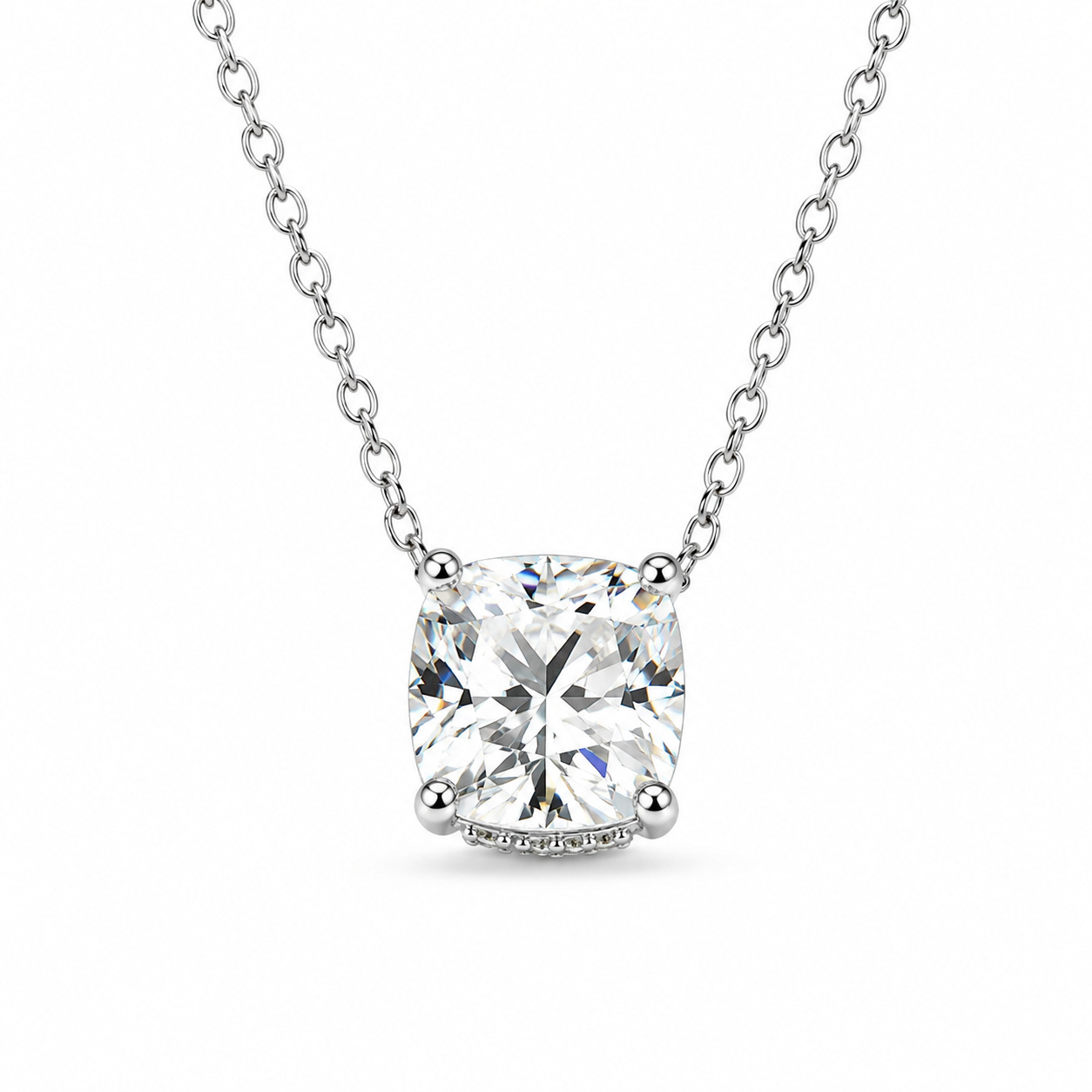
The cushion-shaped solitaire offers a clear central shape. Compare its visual weight with the dress and earrings rather than choosing solely by a carat label. Confirm chain length and how the pendant sits with the actual neckline before promising a particular fit.
Offer a simple earring alternative
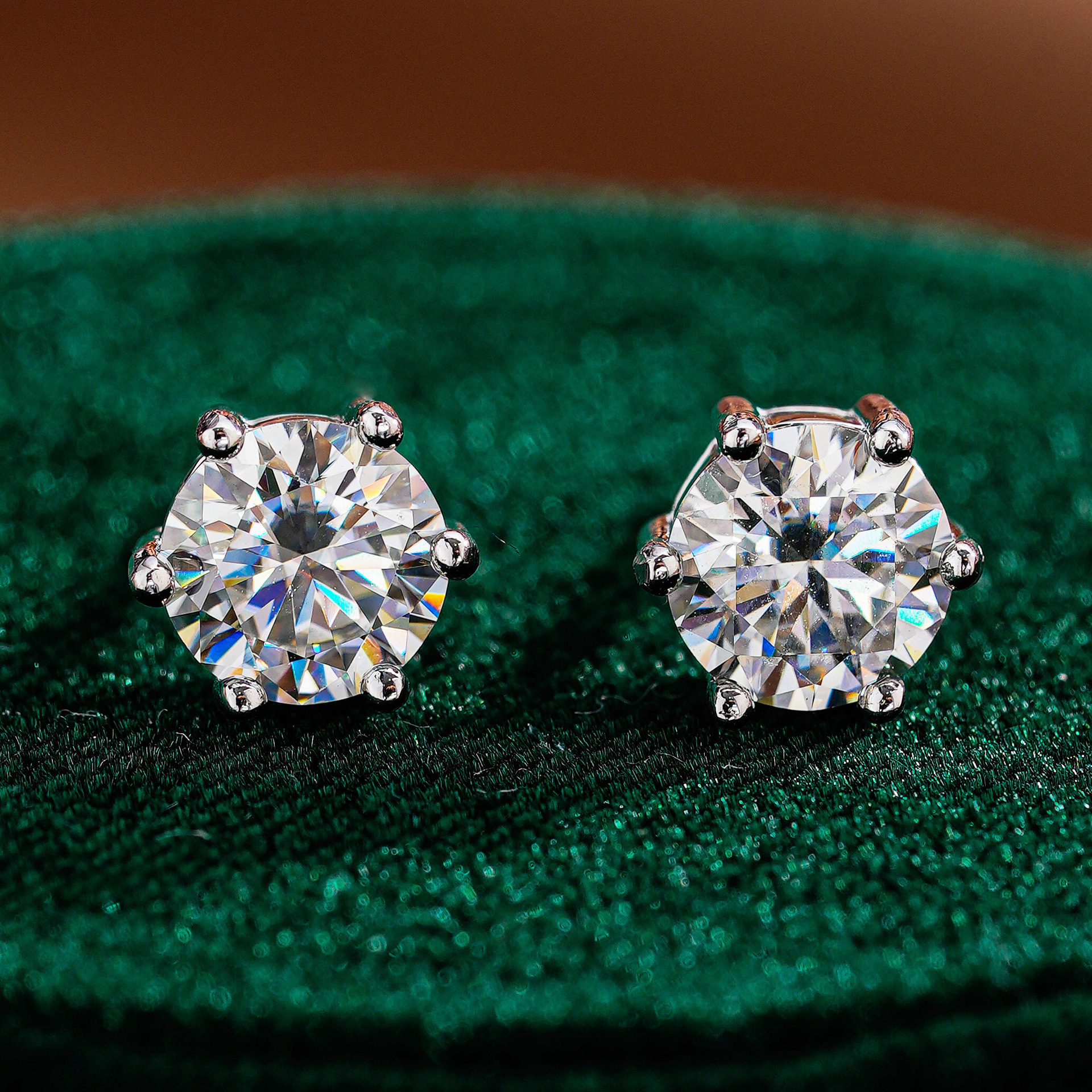
Round studs can provide a less elongated outline beside a pendant. For L-464, the supplier labels options 0.5 ct and 1 ct without specifying per-earring or pair-total weight. Do not convert those labels into a pair-total claim. Confirm the selling unit, backing and selected option before quoting.
Add wrist detail only when useful
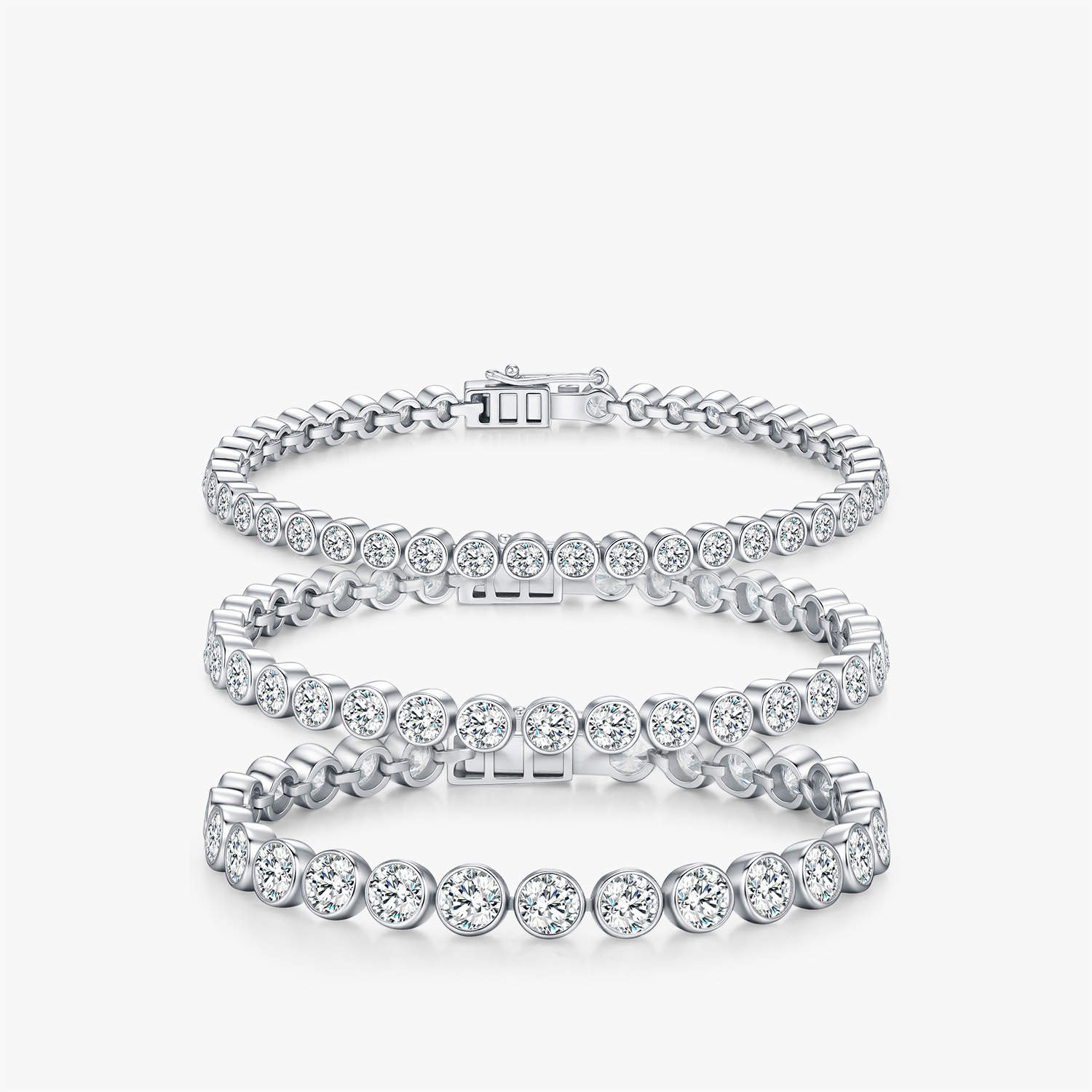
A bezel-set tennis design introduces a repeated round outline. Compare it with sleeves, gloves and other wrist accessories during fitting. L-4 has separate stone-size and length options; choose the exact SKU rather than treating the photograph as a size chart. A photo cannot establish comfort or fit for every customer.
An assortment worksheet for your buying appointment
| Role | Decide before ordering | Record for replenishment |
|---|---|---|
| Focal piece | Which item should attract attention first? | Product reference, selected option and intended display pairing. |
| Supporting earrings | Do shape and scale work with the focal piece? | Exact SKU, selling unit and confirmed stone-weight wording. |
| Optional bracelet | Does the customer want wrist detail, and does it fit? | Stone-size option, length, closure and exact SKU. |
| Alternative look | Which item can replace the focal piece without changing everything? | A separately priced alternative; do not imply a bundled discount. |
Before you commit the purchase
- Use a sample appointment to assess the pieces together. Matching material names do not prove identical tone, stone appearance or proportions under the same lighting.
- Keep a photograph and SKU list for each proposed combination. A display pairing must not be described as a supplied set unless that is confirmed.
- Check current availability, prices after login, packaging and the required arrival window before accepting an event-related commitment. Ask for current shipping estimates rather than promising a wedding-date delivery.
- Reserve the option to buy pieces separately. Track which combinations lead to inquiries and orders, then replenish the exact variants customers choose.
Questions from bridal buyers
Must a coordinated assortment use identical stone shapes?
No. Repeating a metal tone or a restrained visual scale may be enough for a proposed look. Compare the actual pieces together and let the customer decide.
Can I present these three examples as a ready-made set?
No. They are individual catalog products used to explain assortment roles. Confirm each item, variant, selling unit and price separately.


