
How to Prepare a Jewelry Sample Kit for Buyer Appointments
Keep samples organized from packing to follow-up: separate pieces, record exact variants and turn a buyer appointment into a clear purchasing list.

A useful sample kit helps a professional buyer compare designs and leave with a precise next step. Organize the kit around the questions to be answered at the appointment, then give every piece its own place and reference. Start with a focused selection rather than an unstructured tray of similar styles.
Pack separately. Identify every variant. Count pieces out and back in. Record the buyer’s selected references and quantities before preparing a quotation.
Before departure: build a sample manifest
Create one row per sample with the product reference, exact SKU or option, quantity, compartment and condition. Record earrings by their selling unit so a pair is counted consistently. Keep the display reference separate from saleable stock; decide internally whether each sample is for demonstration or available for sale.
A compact manifest you can reuse
| Manifest field | What to record |
|---|---|
| Reference and option | Exact product reference, SKU, size and finish. |
| Quantity and unit | Pieces or pairs, using the product’s selling unit. |
| Location | Tray slot, pouch or compartment number. |
| Condition and outcome | Condition before/after the visit and the buyer’s selected options. |
Give each jewelry type its own place
Use individual compartments or suitable soft pouches so pieces do not rub against one another. Keep chains arranged separately and secure earrings on an appropriate card or holder. Select supports that hold the piece without pulling on its chain or setting. Keep the closed kit dry and away from cosmetics and cleaning liquids. Choose protective outer packaging for transport; a display tray alone is not a shipping package.
Three different sample roles
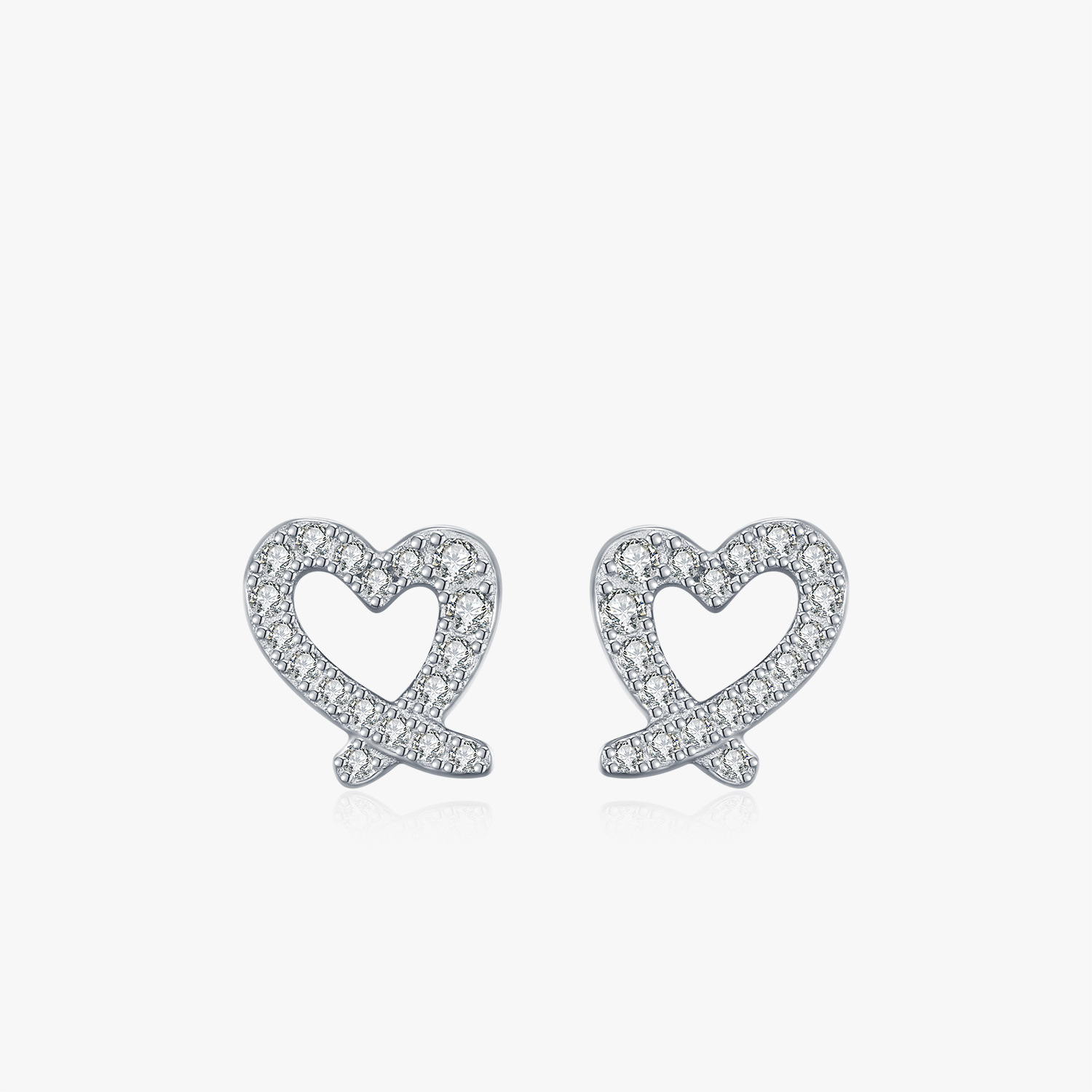
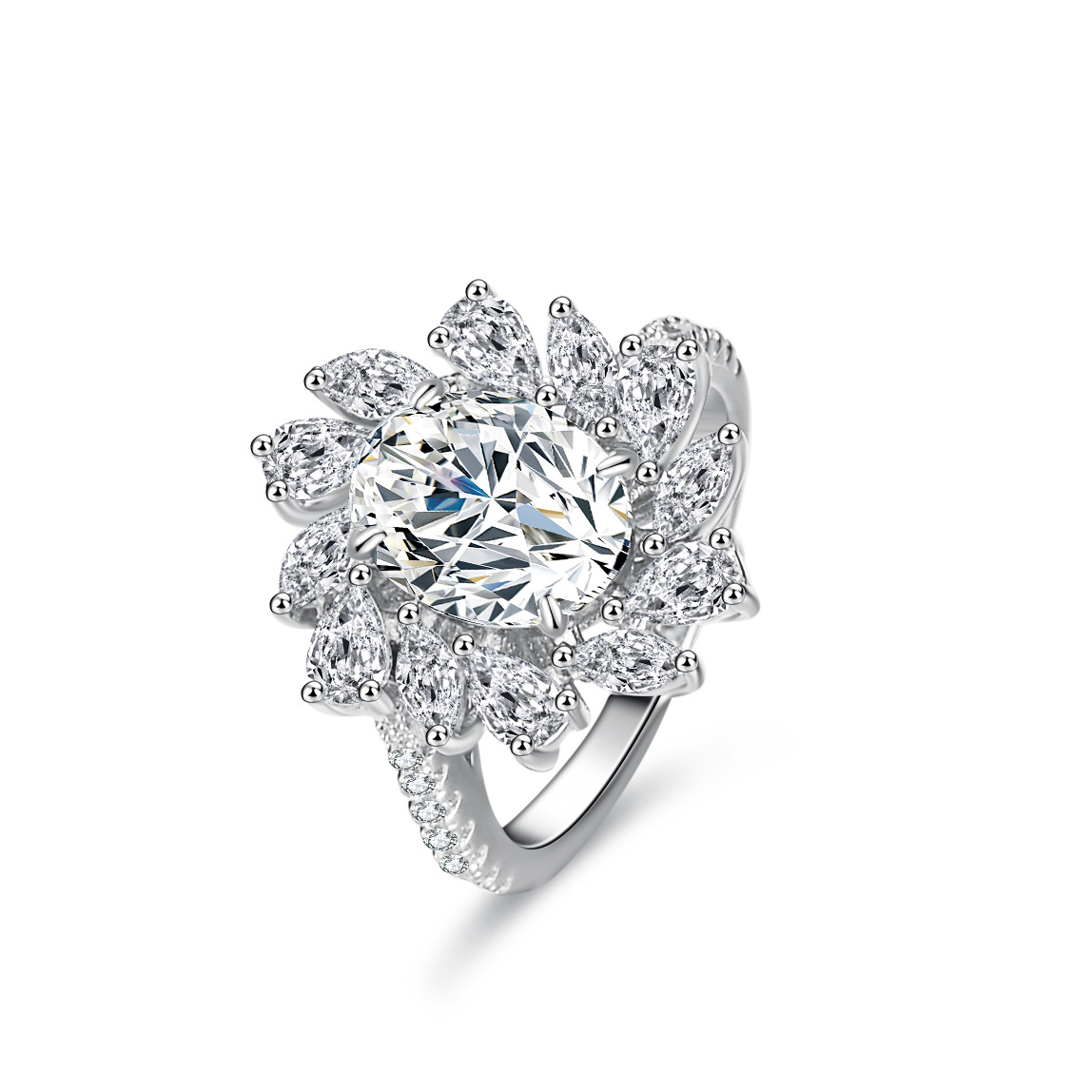
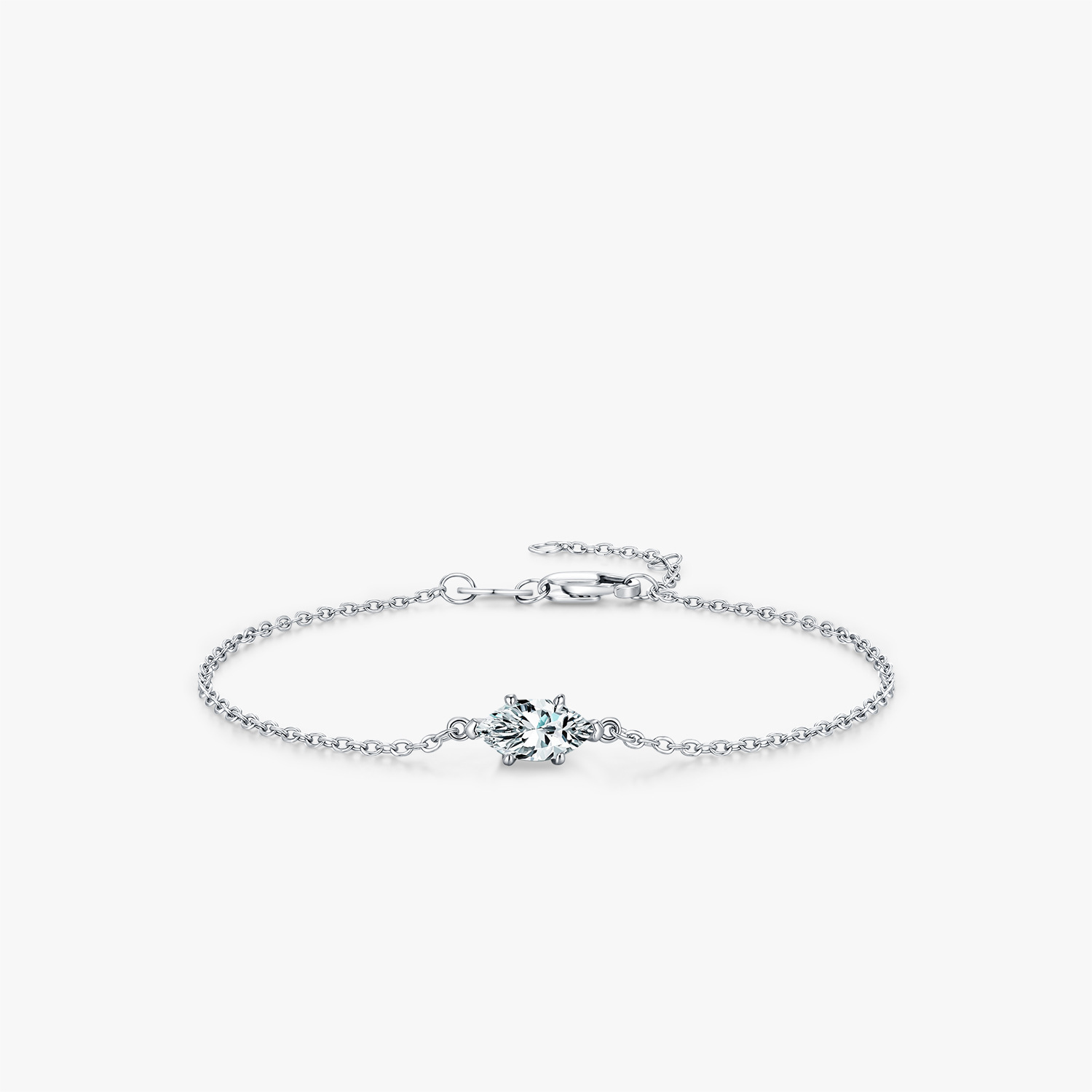
At the appointment: show, compare and record
Show one design at a time before combining pieces. Put the reference beside the item so the buyer can connect the display with its product page. Record the selected size, finish and quantity during the conversation. Separate a request for another option from a confirmed selection. Use the current catalog and account prices for a quotation rather than an old printed price list.
After the meeting: reconcile and follow up
Count every sample against the manifest when repacking. Check closures, pairs and visible condition before returning items to storage. Set aside anything needing inspection instead of mixing it back into the presentation kit. Prepare a follow-up list with the buyer’s chosen references, quantities and outstanding questions; check current availability before confirming an order.
Buyer appointment questions
Should every available size travel in the kit?
Choose the sizes needed for the appointment and bring a clear list of the other available options. A display sample identifies the design; the order still needs an exact variant.
How should I replace a missing sample?
Select a replacement deliberately, update the manifest and tell the buyer which reference is on display. Keep the quotation tied to the requested product.


